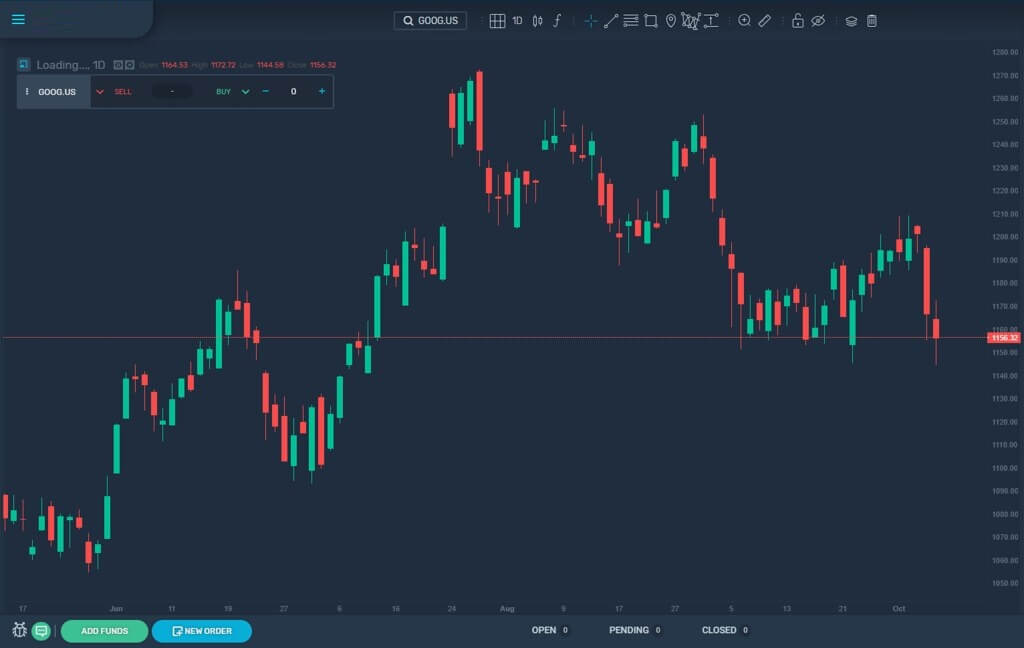
In the world of financial trading, Contracts for Difference (CFDs) have emerged as a popular and accessible way for investors to participate in the movement of prices across global financial markets without owning the underlying asset. This guide aims to demystify CFD trading, providing beginners with a solid foundation to start their trading journey.
What is CFD Trading?
At its core, CFD trading is a form of derivative trading that allows you to speculate on the rising or falling prices of fast-moving global financial markets (such as shares, indices, commodities, currencies, and treasuries). Unlike traditional trading, CFDs enable you to gain exposure to financial assets without physically owning them. This is achieved through a contract between the trader and the broker.
How Does CFD Trading Work?
When you open a CFD position, you select the amount of CFDs you wish to trade and your profit or loss changes in line with each point the market moves. There are two positions you can take:
• Going Long: If you believe the price of an asset will rise, you open a ‘buy’ position. Your profits will rise in direct proportion to the increase in the asset’s price.
• Going Short: Conversely, if you anticipate a decrease in the asset’s price, you would open a ‘sell’ position. Here, your profits grow as the price of the asset falls.
Advantages of CFD Trading
1. Leverage: CFDs are traded on margin, meaning you can gain a larger exposure to the market than what your initial deposit would otherwise allow. It’s worth noting, however, that while leverage can amplify profits, it can also magnify losses.
2. Market Access: CFDs provide traders with access to a wide range of markets that might not be directly accessible otherwise.
3. Going Short Is Easy: Since owning the underlying asset is not a requirement, going short is as straightforward as going long, allowing traders to profit from falling markets.
Risks Involved
While CFD trading offers enticing opportunities, it’s not without its risks. The leverage effect can lead to rapid losses, especially in volatile markets. It’s crucial for beginners to start with a clear understanding of risk management tools and strategies, and to only invest capital they can afford to lose.
Getting Started
Before venturing into CFD trading, education is key. Utilize demo accounts offered by brokers to get a feel for the market dynamics and practice your trading strategies without any financial risk. Always stay informed about market trends and be disciplined in your trading decisions.
CFD trading opens up a world of opportunities for those willing to put in the time to learn its nuances. With the right approach and a keen eye for risk management, it can be a rewarding addition to your investment strategy.