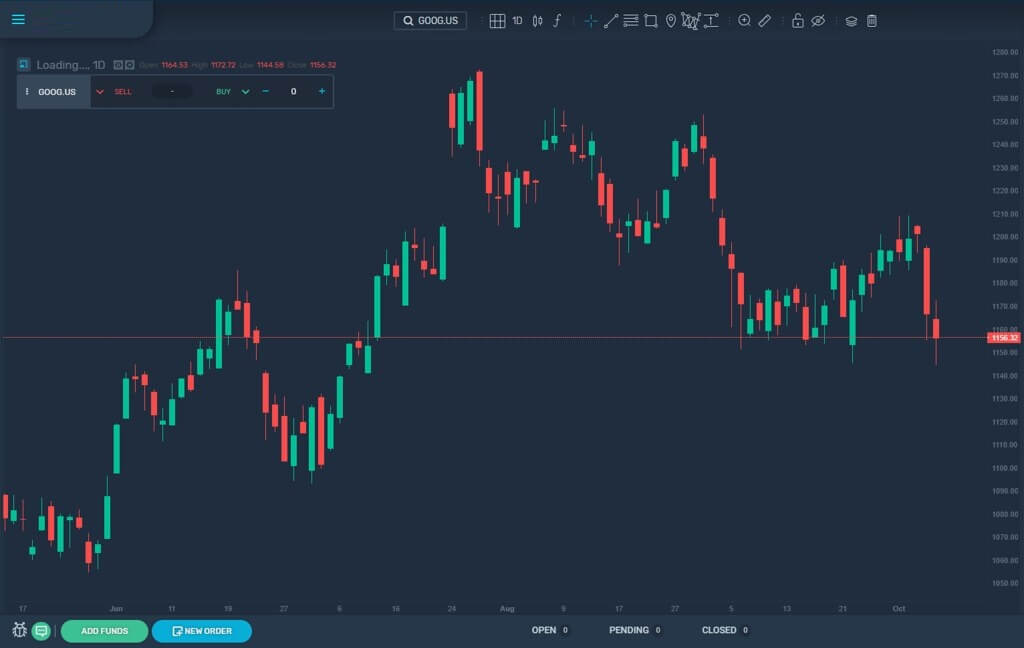
Contracts for Difference (CFDs) have gained popularity as a financial instrument that allows traders to speculate on price movements in various markets without owning the underlying asset. Here’s a comprehensive guide to understanding CFD trading:
What are CFDs?
CFDs are derivative products that enable traders to speculate on the price movements of financial markets such as stocks, commodities, indices, and currencies. Unlike traditional investing where you buy and own the asset, CFD trading involves entering into a contract with a broker to exchange the difference in the asset’s value between the entry and exit points.
How CFD Trading Works
When you trade CFDs, you don’t own the underlying asset but rather trade on its price movement. If you expect the price of an asset to rise, you would go long (buy) the CFD; if you expect it to fall, you would go short (sell) the CFD. Profits or losses are determined by the difference between the buy and sell prices.
Advantages of CFD Trading
Leverage: CFDs allow traders to open positions with a fraction of the total trade value, known as leverage. This amplifies both potential profits and losses.
Diverse Market Access: CFDs cover a wide range of markets, providing opportunities to trade multiple asset classes from a single platform.
Short Selling: CFDs enable traders to profit from falling prices by selling assets they don’t own, which isn’t possible with traditional stock trading in many markets.
Risks of CFD Trading
Leverage Risk: While leverage can amplify profits, it also increases the risk of significant losses. Traders can lose more than their initial investment.
Market Risk: CFD prices mirror the underlying asset prices, subjecting traders to market volatility and sudden price movements.
Counterparty Risk: Since CFD trading involves contracts with brokers, there’s a risk of the broker defaulting on payments.
Tips for CFD Trading
Educate Yourself: Understand the markets you are trading, risk management strategies, and the platform you are using.
Use Stop-Loss Orders: Implementing stop-loss orders helps limit potential losses by automatically closing trades at predetermined levels.
Start Small: Begin with a demo account or smaller trades to familiarize yourself with CFD trading dynamics before committing larger sums.