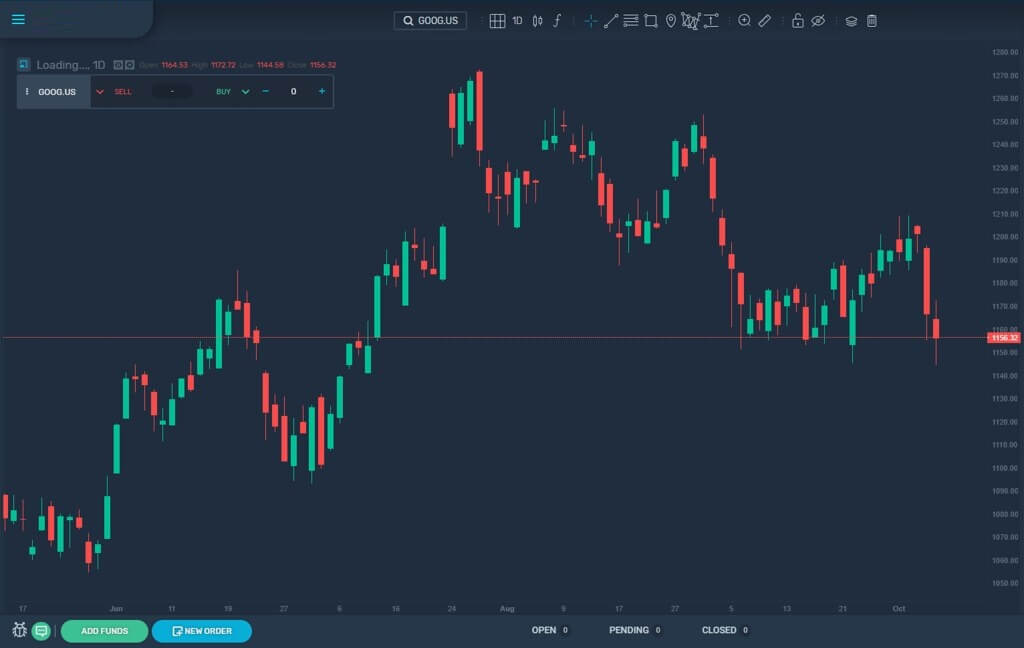
In an already unpredictable world, financial trading can seem a daunting endeavor. But there’s one versatile and accessible trading instrument that has gained traction among new and seasoned traders alike – Contracts for Difference (CFDs). This blog post will serve as your comprehensive guide to CFD trading, designed to equip you with the foundational knowledge needed to start navigating the world of CFDs with confidence.
What is CFD Trading?
CFD trading allows you to speculate on the price movements of various financial markets, including stocks, commodities, indices, and more, without actually owning the underlying asset. Essentially, you enter into a contract with a broker to exchange the difference in the asset’s value from the time you open the trade to when you close it.
In simpler terms, if you think the price of a stock will go up, you can buy a CFD. If you believe it will go down, you can sell a CFD. The profit or loss you make is determined by the change in the asset’s price, multiplied by the number of units you bought or sold.
The Mechanics of CFD Trading
Opening a Trade
When you decide to trade CFDs, your first step is to open a position. This can be done through a brokerage platform. You can choose to go long (buy) if you expect the price to rise, or go short (sell) if you anticipate a price drop.
Leverage in CFD Trading
One of the key features of CFD trading is leverage. Leverage allows you to control a larger position with a smaller amount of capital. For example, with a leverage ratio of 10:1, you only need $100 to control a $1,000 position. While leverage can magnify your profits, it can equally amplify your losses, making it a double-edged sword.
Margin Requirements
Leverage comes with margin requirements. A margin is a deposit you need to maintain in your account to keep your leveraged position open. There are two types of margins to be aware of:
• Initial Margin: The amount you need to open a position.
• Maintenance Margin: The minimum balance you must maintain to keep the position open. If your account balance falls below this level, you’ll face a margin call, where you either have to deposit more funds or close your position.
Advantages of CFD Trading
Flexibility and Accessibility
One of the greatest advantages of CFD trading is its flexibility. You can trade a wide variety of financial instruments from a single brokerage account. Whether you’re interested in stocks, commodities, or indices, CFDs provide an avenue for you to diversify your trading portfolio.
No Ownership of Assets
With CFDs, you’re not actually buying or selling the underlying asset. This means you can avoid certain costs and complexities associated with asset ownership, such as stamp duty or storage fees.
Potential for High Returns
Thanks to leverage, even small price movements can result in significant profits. This potential for high returns makes CFD trading an attractive option for many traders.
Risks Associated with CFD Trading
Leverage-Associated Risks
While leverage can amplify profits, it also increases the risk of significant losses. It’s crucial to use leverage wisely and be aware of the potential downsides.
Market Volatility
CFDs are highly sensitive to market volatility. Sudden price swings can lead to quick profits but can also result in substantial losses. It’s essential to have a risk management strategy in place to protect your investments.
Broker Risk
Since you’re entering into a contract with a broker, the reliability and reputation of your broker are paramount. Always choose a regulated broker to ensure the safety of your funds.
How to Get Started with CFD Trading
Choose a Reputable Broker
Your first step in CFD trading is to choose a trustworthy broker. Look for brokers that are regulated by financial authorities and offer transparent trading conditions.
Educate Yourself
Knowledge is power in CFD trading. Take the time to understand the markets you’re interested in, learn about trading strategies, and stay updated with