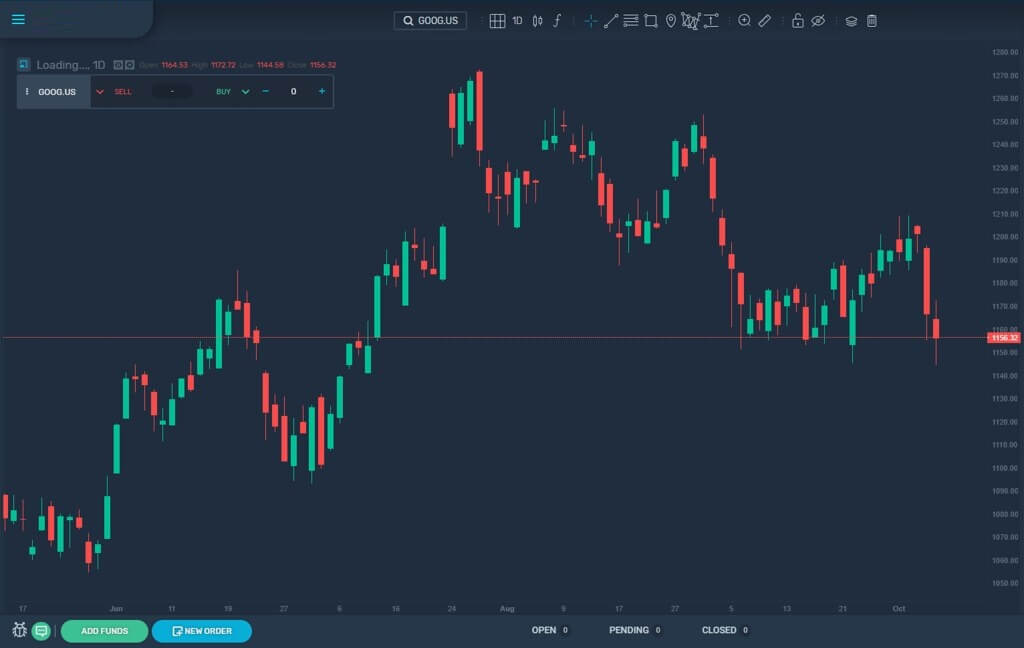
In the realm of financial markets, Contract for Difference (CFD) trading has emerged as a popular choice among traders seeking to capitalize on price movements without owning the underlying asset. This guide aims to demystify CFD trading and provide beginners with a comprehensive understanding of this versatile trading instrument.
What is CFD Trading?
CFD trading involves an agreement between a trader and a broker to exchange the difference in the value of a financial instrument between the opening and closing of a trade. Unlike traditional trading, where you purchase the actual asset (such as stocks or commodities), CFDs allow you to speculate on the price movements of these assets.
Leverage: One of the most attractive features of CFD trading is leverage. Leverage allows you to control a large position with a relatively small amount of capital. For example, with a leverage ratio of 10:1, you can control $10,000 worth of an asset with just $1,000. However, leverage also magnifies potential losses, making it a double-edged sword.
Short Selling: CFDs enable traders to profit from both rising and falling markets. If you believe the price of an asset will decline, you can sell (or go short) the CFD. Conversely, if you anticipate an increase in price, you can buy (or go long) the CFD.
Wide Range of Markets: CFDs cover a broad spectrum of financial instruments, including stocks, indices, commodities, forex, and cryptocurrencies. This diversity allows traders to build a varied portfolio and take advantage of opportunities across different markets.
No Ownership of the Underlying Asset: Since you don’t own the actual asset, there are no costs associated with physical ownership, such as storage fees for commodities or stamp duty for shares.
Getting Started with CFD Trading
Step 1: Choose a Reliable Broker
Selecting a reputable broker is crucial for a successful CFD trading journey. Look for a broker that offers a user-friendly platform, competitive spreads, a wide range of tradable assets, and robust customer support. Ensure the broker is regulated by a recognized financial authority to guarantee the safety of your funds.
Step 2: Understand the Market
Before diving into CFD trading, it’s essential to educate yourself about the financial markets you wish to trade. Familiarize yourself with market trends, economic indicators, and geopolitical events that can impact asset prices. Many brokers offer educational resources, including articles, webinars, and demo accounts, to help you build your knowledge.
Step 3: Develop a Trading Strategy
A well-defined trading strategy is the cornerstone of successful CFD trading. Your strategy should outline your risk tolerance, trading goals, and the criteria for entering and exiting trades. Popular strategies include day trading, swing trading, and scalping. It’s vital to test your strategy using a demo account before deploying it in a live trading environment.
Step 4: Manage Your Risk
Effective risk management is crucial in CFD trading. Utilize stop-loss orders to limit potential losses and protect your capital. Additionally, avoid over-leveraging your positions, as this can lead to significant losses. It’s advisable to risk only a small percentage of your trading capital on each trade.
The Pros and Cons of CFD Trading
Pros
Flexibility: CFDs offer the flexibility to trade a wide range of markets from a single platform.
Leverage: The ability to trade on margin allows for greater exposure with less capital.
Short Selling: Profit from falling markets without needing to borrow assets.
No Physical Ownership: Avoid costs associated with owning the underlying asset.
Cons
High Risk: Leverage can amplify losses, potentially resulting in significant financial loss.
Costs: Overnight financing charges and spreads can eat into profits.
Regulatory Risks: Ensure your broker is properly regulated to mitigate the risk of fraud or insolvency.
Conclusion
CFD trading offers a unique and flexible approach to participating in the financial markets. While it presents significant opportunities for profit, it also carries considerable risk. By choosing a reliable broker, educating yourself about the markets, developing a solid trading strategy, and managing your risk effectively, you can navigate the complexities of CFD trading and work towards achieving your trading goals.
Remember, CFD trading is not a get-rich-quick scheme. It requires discipline, patience, and continuous learning. With the right approach, you can unveil the potential of CFD trading and embark on a rewarding trading journey.