Contract for Difference (CFD) trading has emerged as a dynamic and versatile instrument in the realm of financial markets. Offering traders the opportunity to speculate on price movements without owning the underlying asset, CFDs have garnered significant attention due to their flexibility and accessibility. Here’s all you need to know about this innovative trading approach.
Understanding CFDs
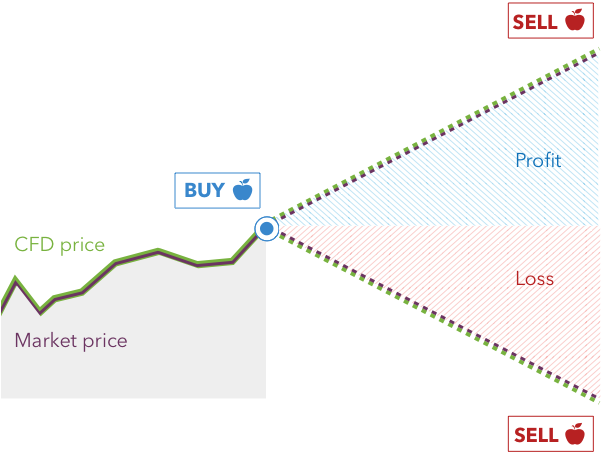
At its core, a CFD is a contract between a trader and a broker to exchange the difference in value of a financial instrument between the time the contract is opened and closed. This means traders can profit from both rising and falling markets, making CFDs an attractive option for investors seeking diversified trading opportunities.
Benefits of CFD Trading
One of the primary advantages of CFD trading is its flexibility. Unlike traditional stock trading, CFDs allow traders to enter and exit positions quickly, enabling them to capitalize on short-term market fluctuations. Additionally, CFDs offer access to a wide range of markets, including stocks, indices, commodities, and cryptocurrencies, allowing traders to diversify their portfolios easily.
Moreover, CFDs offer the potential for flexible leverage, enabling traders to amplify their exposure to the market without committing substantial capital. This feature can magnify both profits and losses, making risk management crucial for CFD traders.
Risk Management
While CFD trading offers the potential for significant returns, it also carries inherent risks. As with any form of trading, it’s essential for traders to implement robust risk management strategies to protect their capital. This includes setting stop-loss orders to limit potential losses and diversifying investments to spread risk across multiple assets.
Furthermore, traders should conduct thorough research and analysis before entering into CFD positions. By staying informed about market trends and economic developments, traders can make more informed decisions and improve their chances of success.
Choosing a Reputable Broker
When engaging in CFD trading, selecting a reputable broker is paramount. It’s essential to choose a broker with a solid track record, reliable trading platforms, and competitive pricing. Additionally, traders should ensure the broker offers transparent pricing and does not impose excessive fees or hidden charges.
Conclusion
In conclusion, CFD trading represents a new frontier in the world of trading, offering investors the opportunity to profit from various financial markets with flexibility and ease. However, it’s crucial for traders to approach CFD trading with caution and implement sound risk management practices to safeguard their investments. By choosing a reputable broker and staying informed about market developments, traders can unlock the full potential of CFD trading while minimizing risks.